Bycatelier: Sculpting Connections Between Earth, Body and Technology
Bycatelier unfolds as a sculptural language; a space where form, matter and movement converge. Garments emerge as three-dimensional presences, shaped through a dialogue between body, environment and technology. The practice moves beyond surface, approaching clothing as volume, weight and spatial experience.
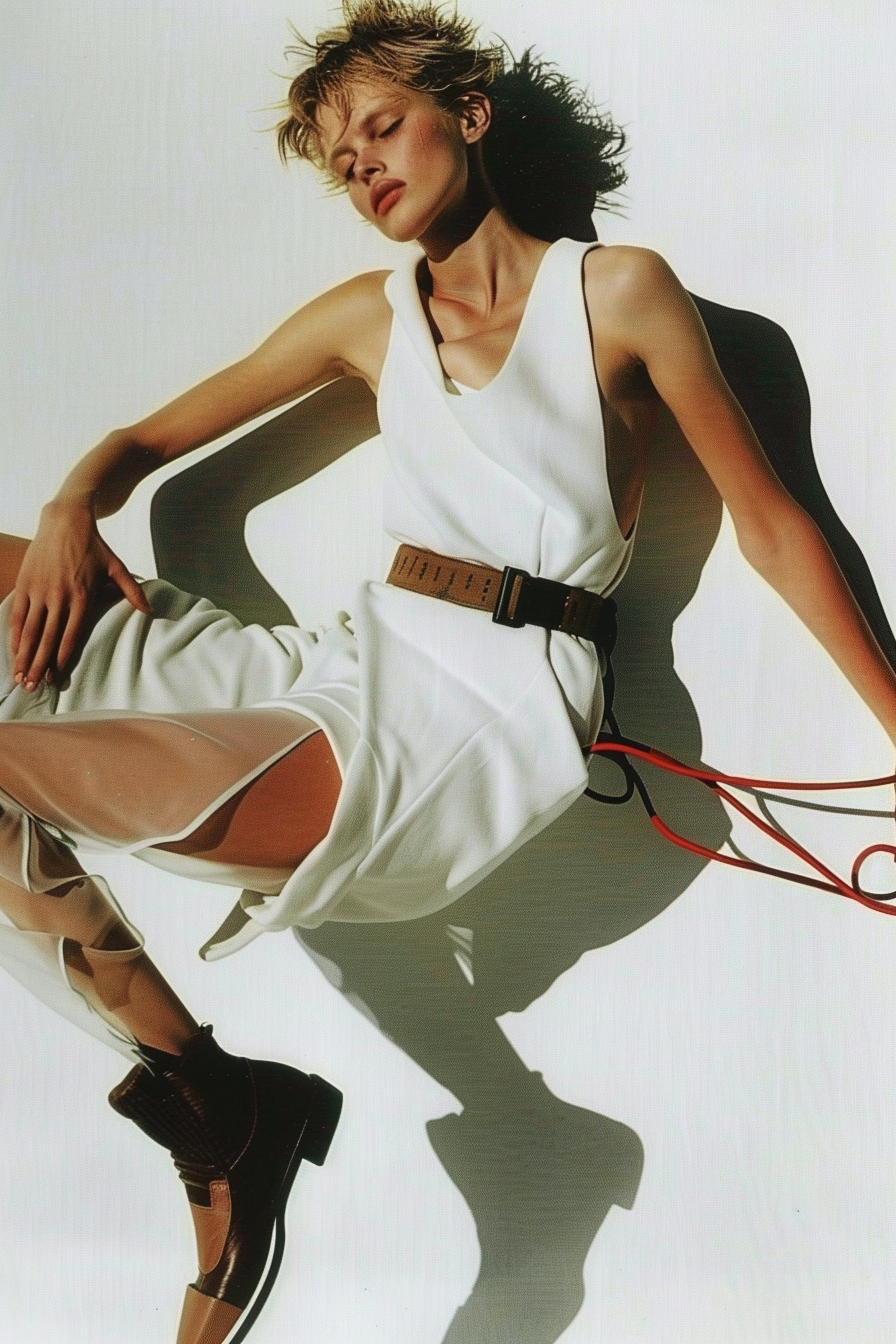
Rooted in spatial and material thinking, each piece develops through tension, balance and gravity. Form is not imposed, but discovered through process revealed by how materials respond to movement and time. Silhouettes evolve with the body, creating a quiet exchange between stillness and motion.
An architectural sensibility underpins the work. Proportion, rhythm and spatial awareness guide construction, echoing the way sculptural forms negotiate space. Volumes are shaped with intention, allowing garments to unfold around the body as intimate structures; forms that are inhabited, sensed and experienced.
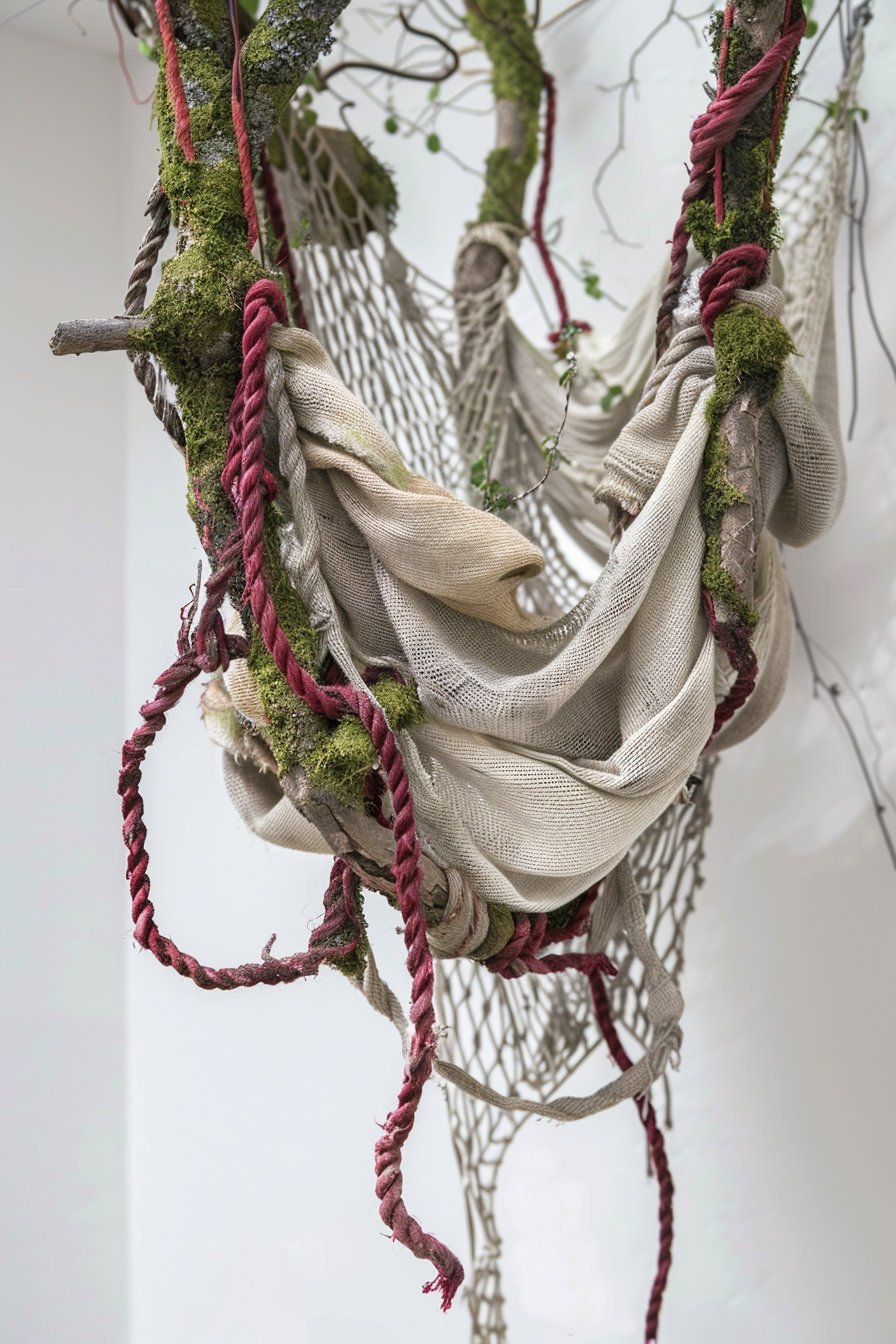
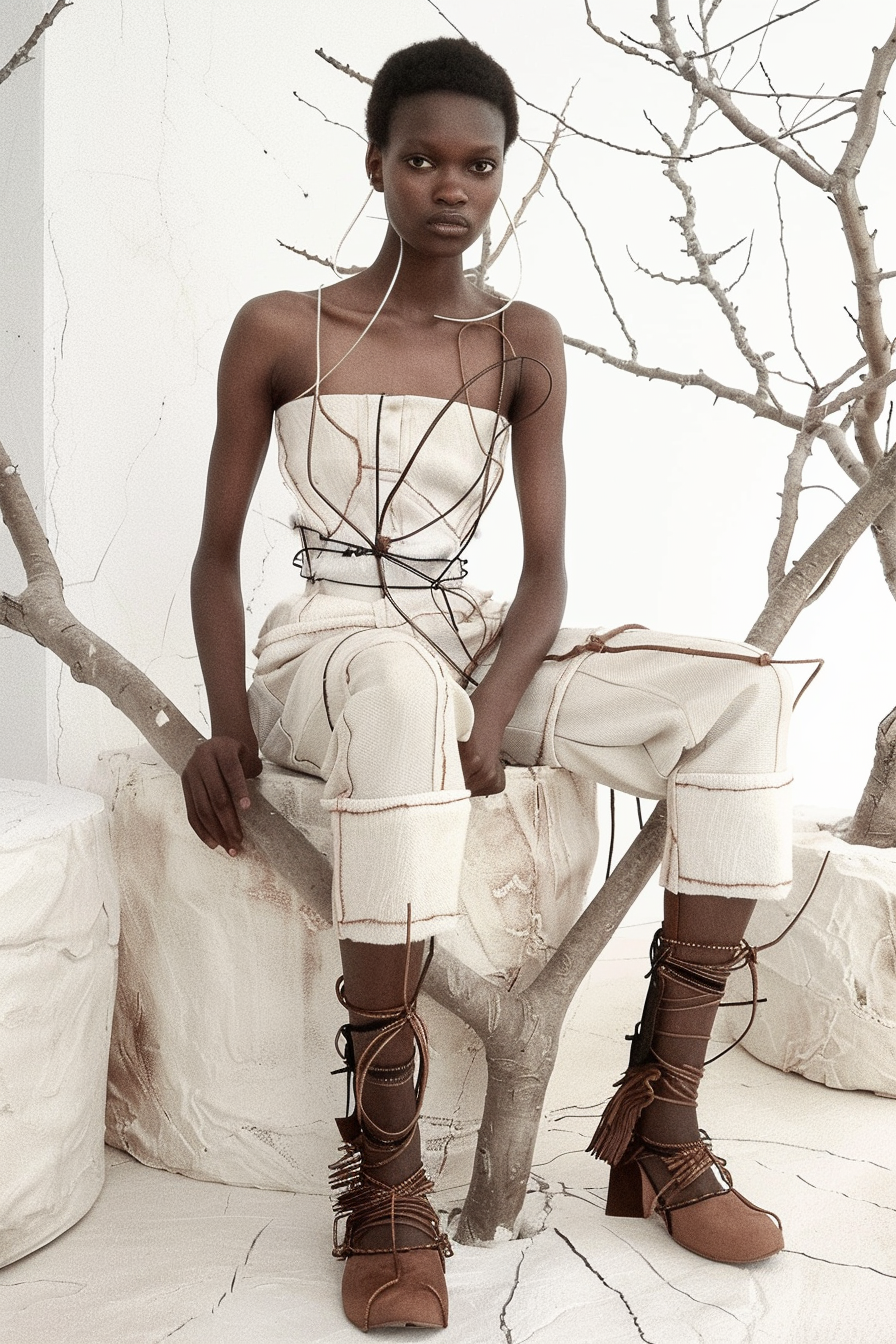
Nature exists at the core of this language. It is not referenced as imagery, but understood as an underlying system; one of growth, erosion and transformation. The slow logic of natural processes informs the way materials fold, stretch and resist. Strength and fragility coexist, reflecting the balance found in organic environments.
This connection to nature is deeply tied to grounding. In an era increasingly shaped by speed, abstraction and digital saturation, Bycatelier seeks to reconnect with physical presence. Garments invite the body to slow down, to feel anchored, to re-engage with texture, weight and tactility.
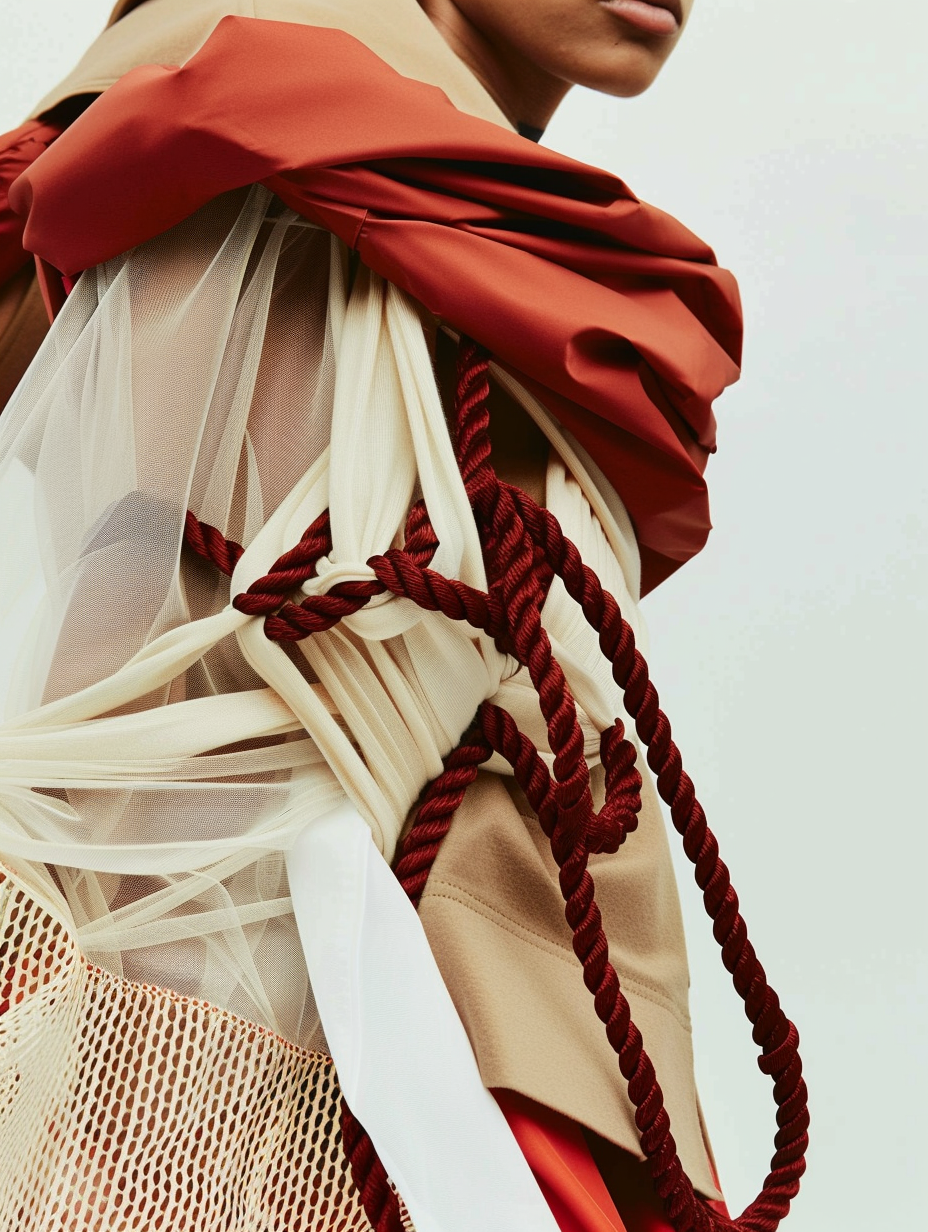
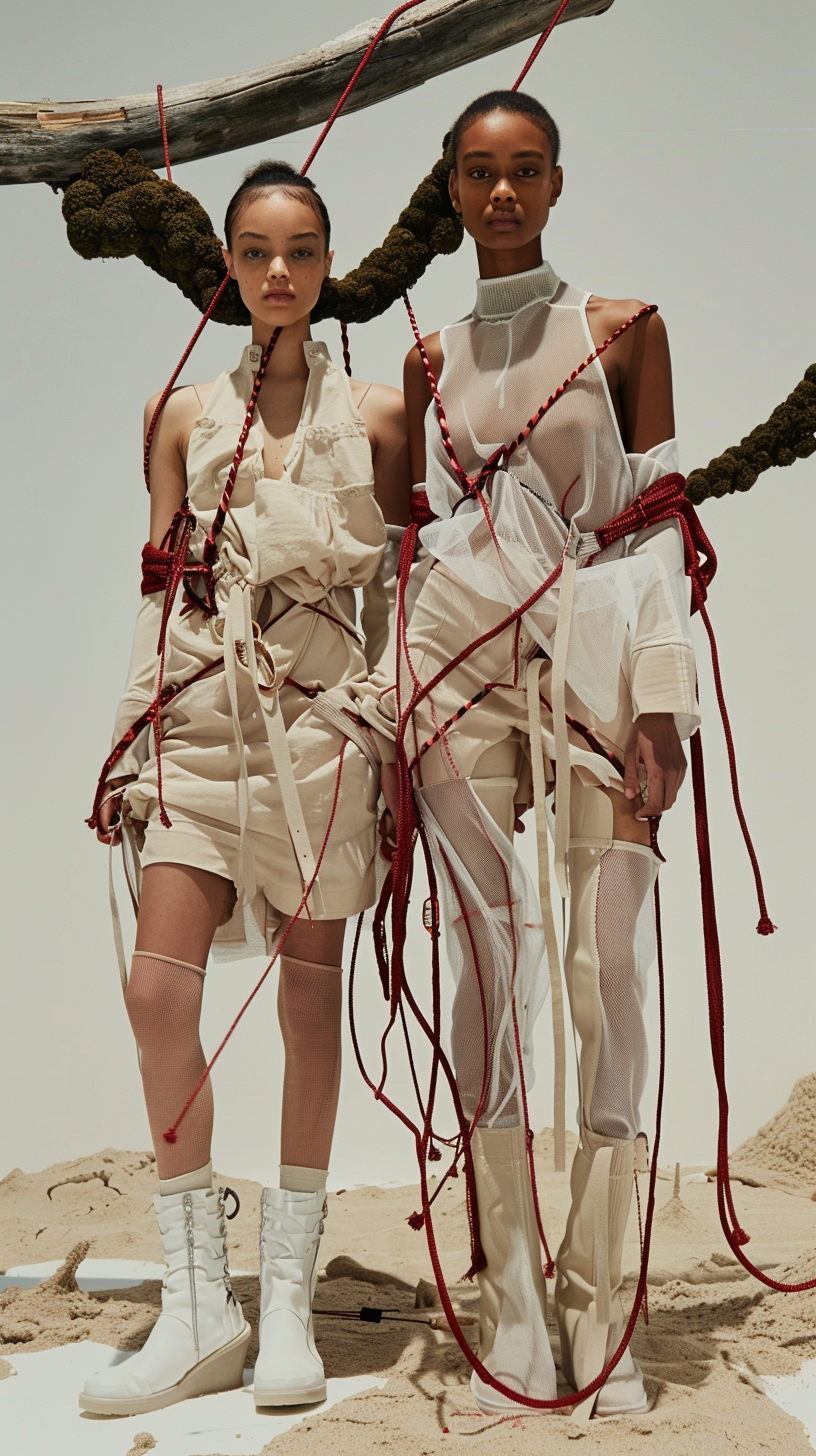
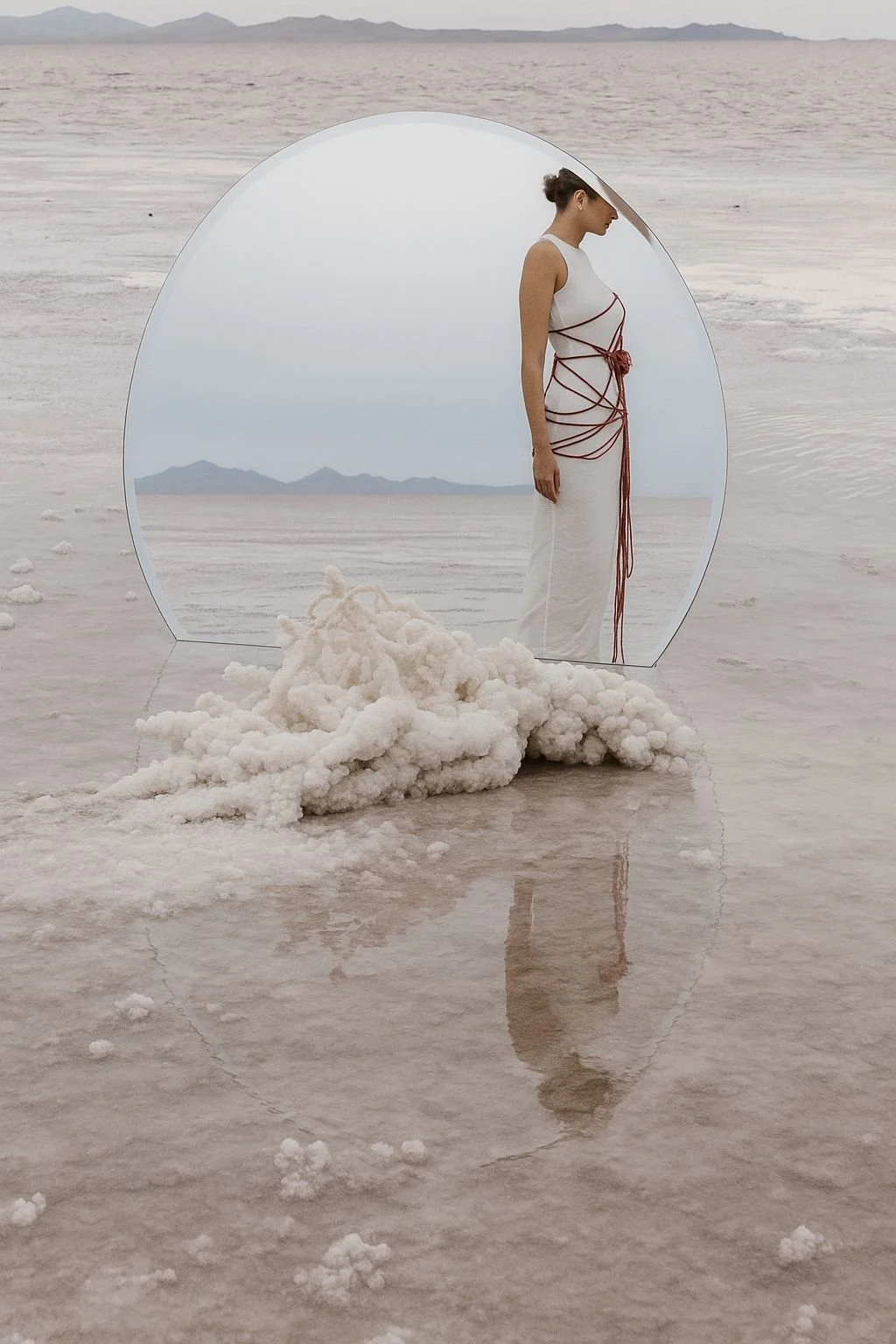
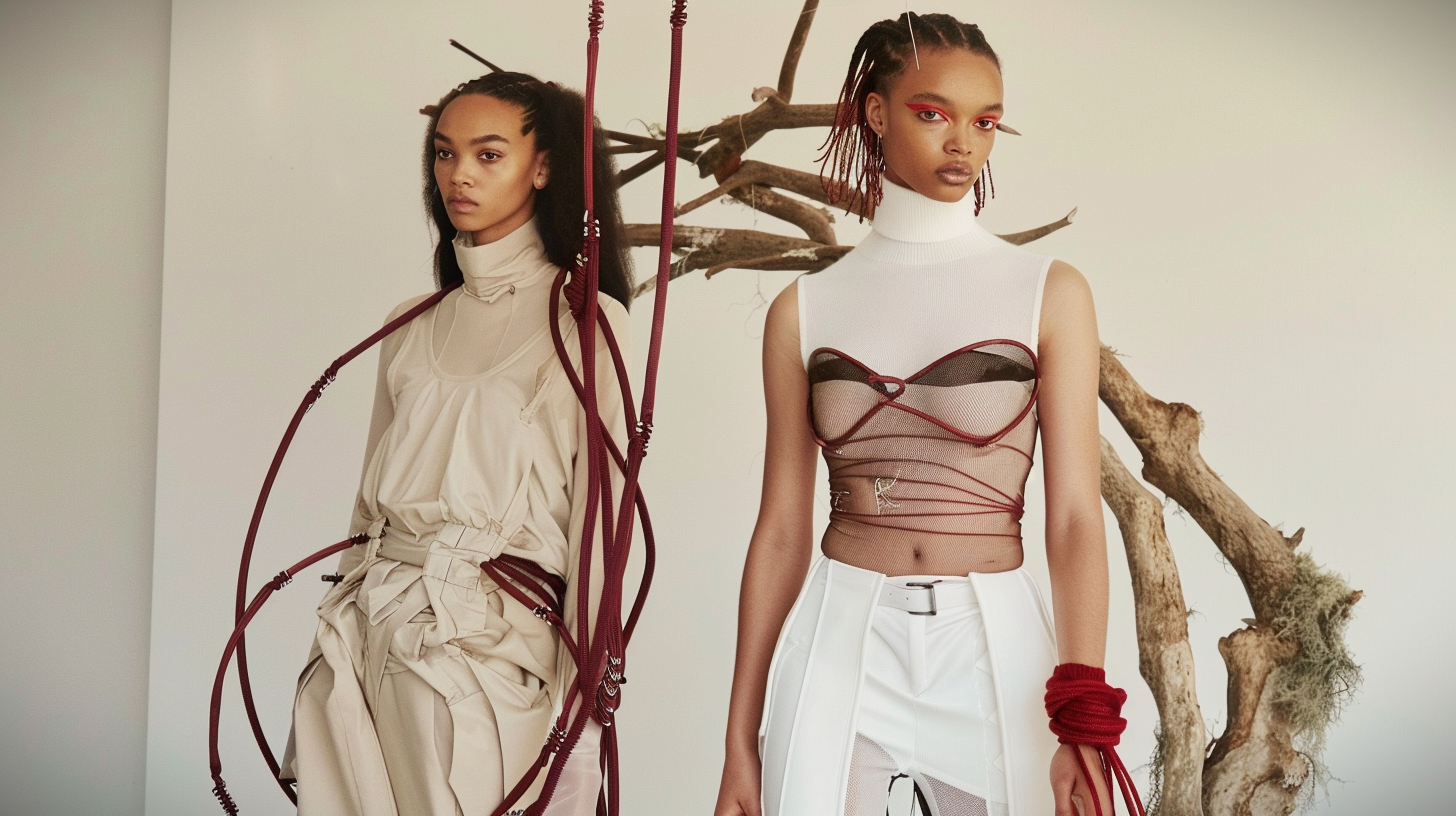
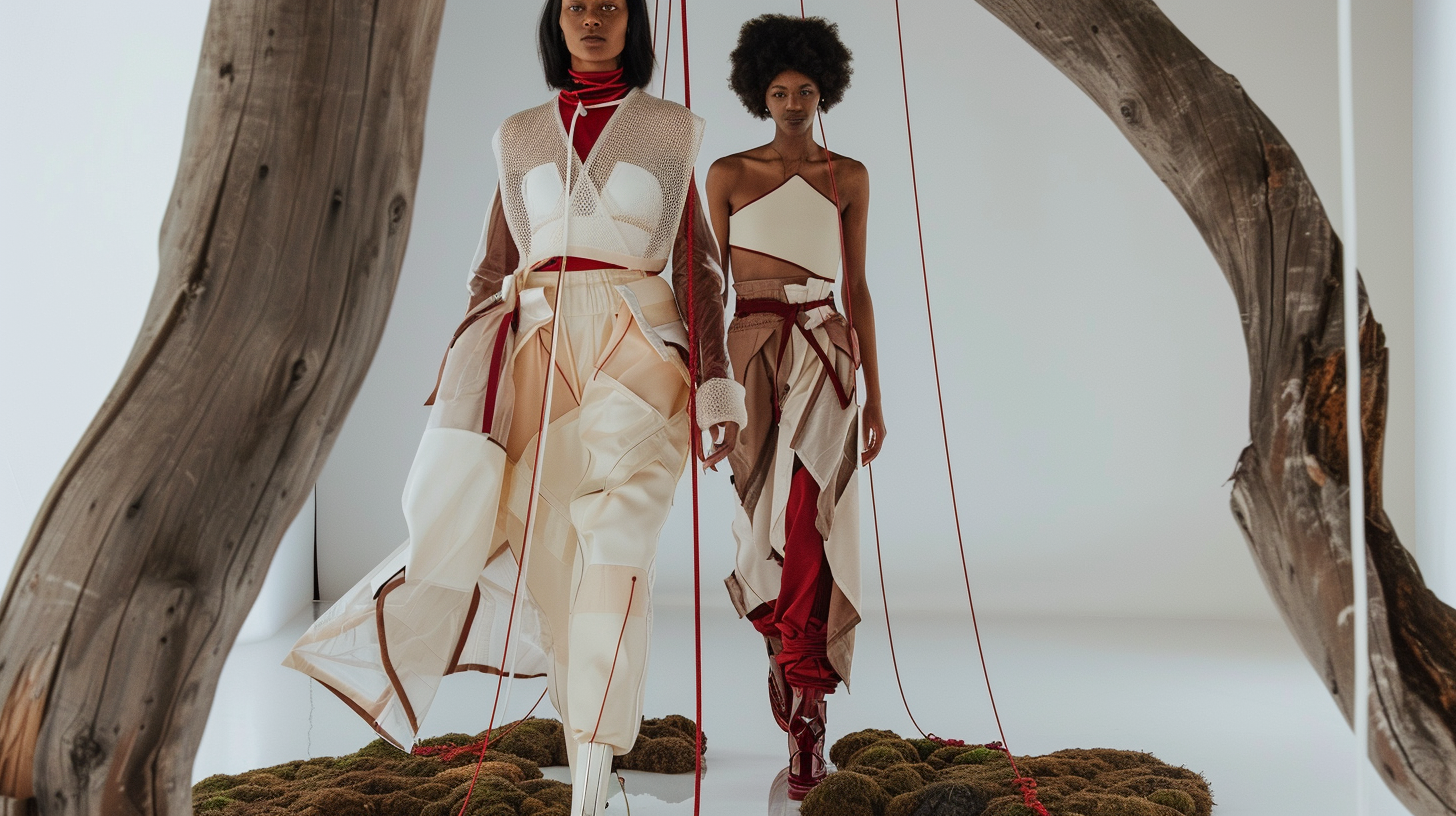
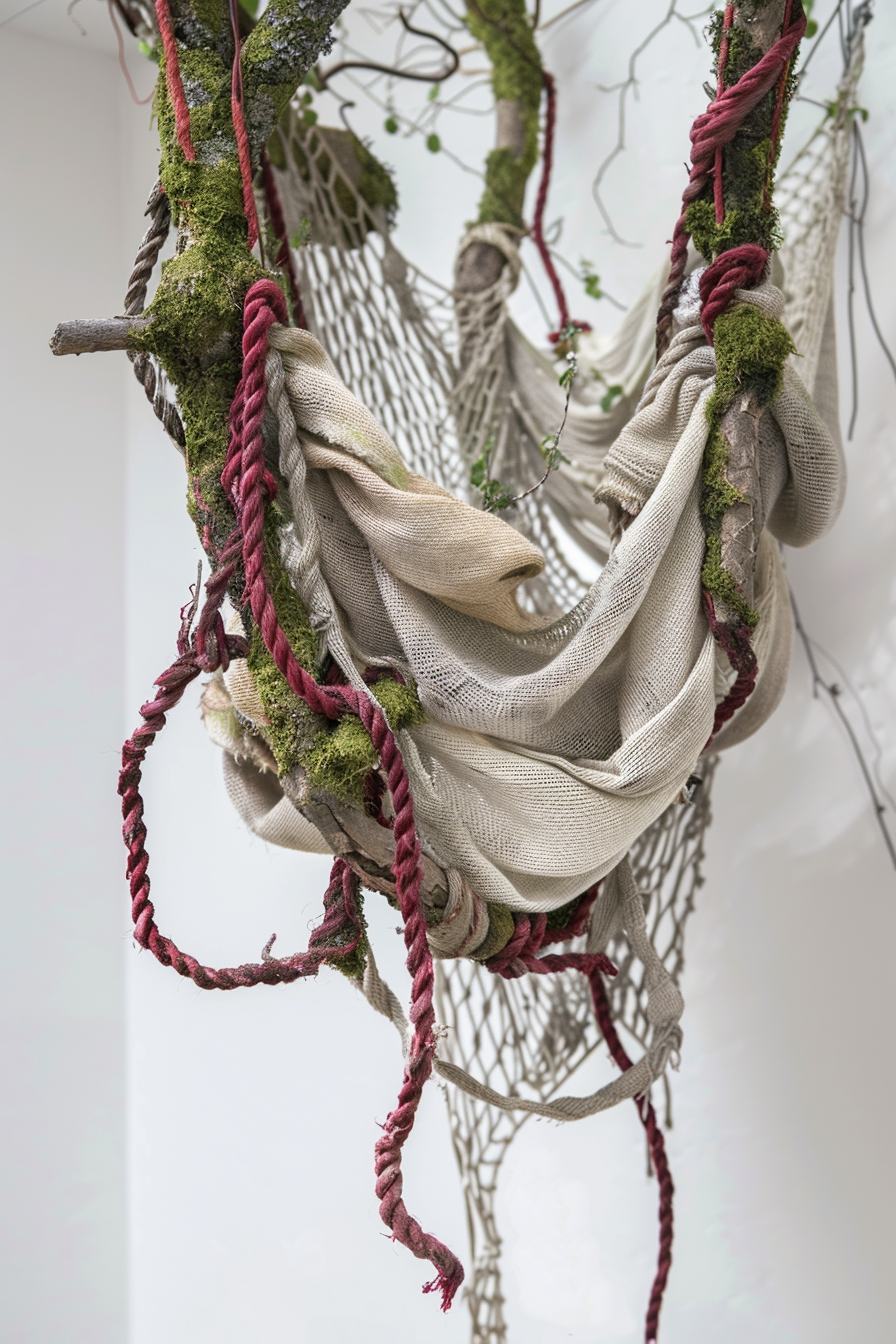
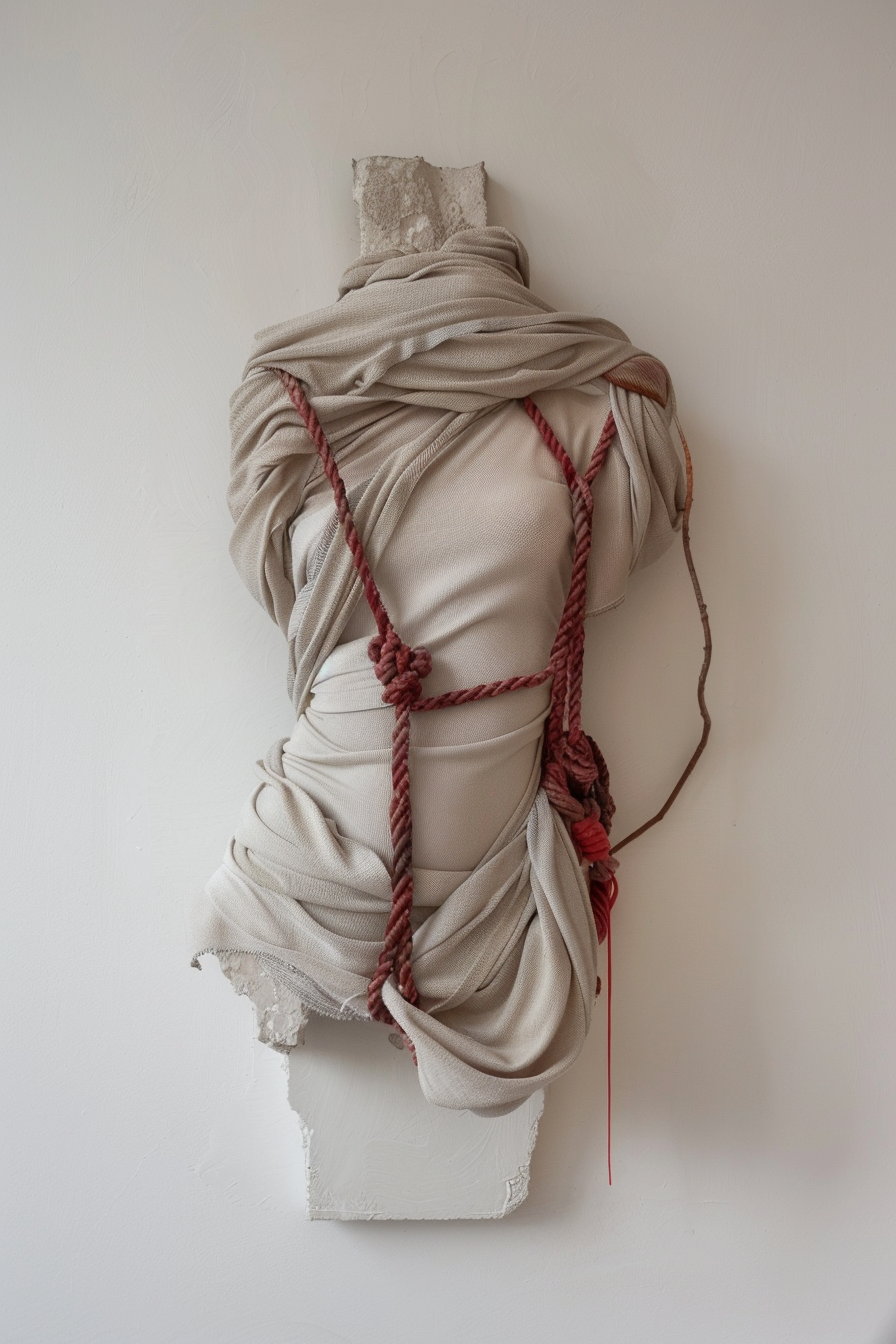
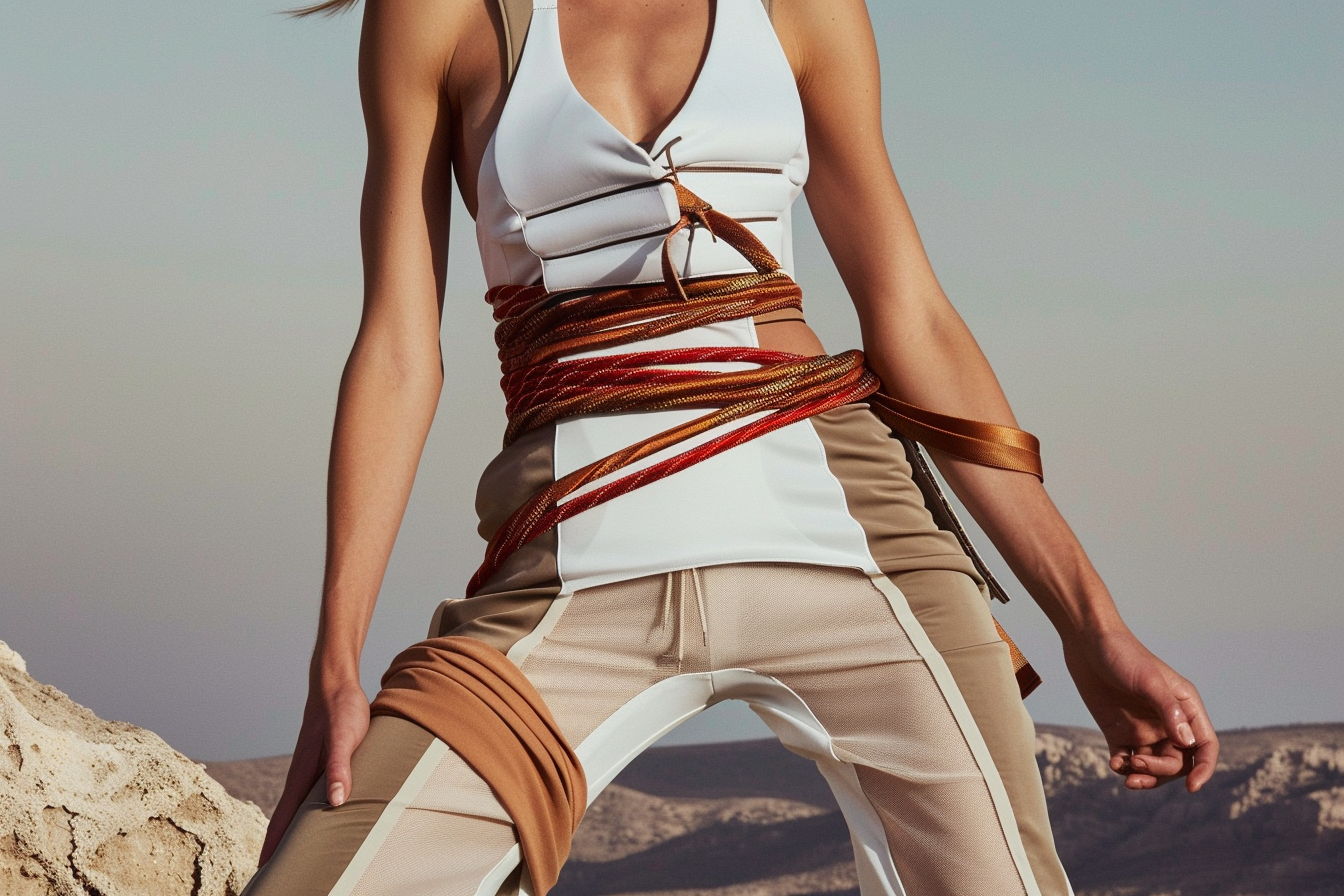
Ropes and cord-like structures appear as recurring gestures within the Bycatelier universe. These elements function as both form and symbol. They evoke deep roots, invisible connections that bind the body to origin, memory and landscape. Like roots beneath the soil, cords support and guide, holding structure while allowing organic growth.
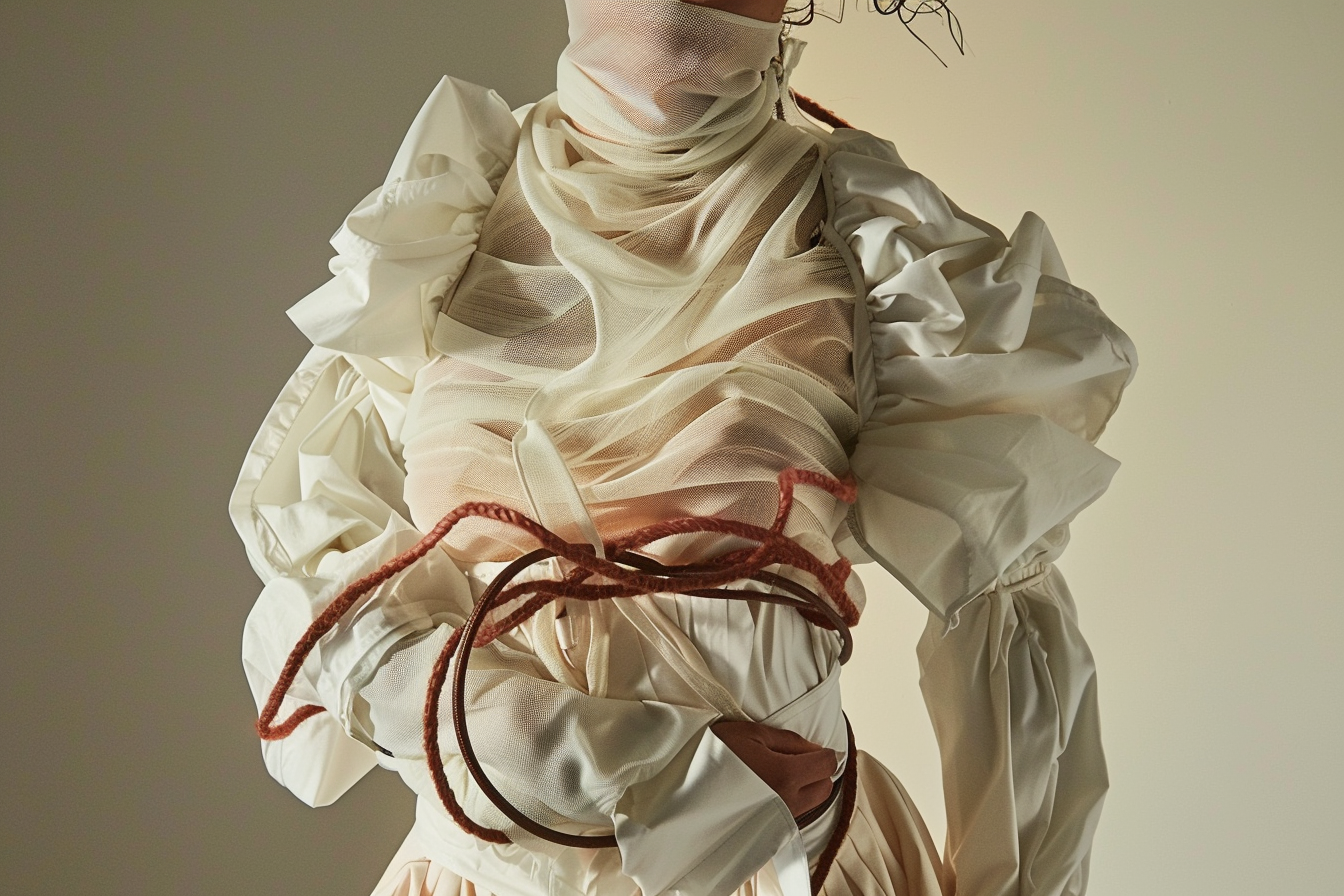
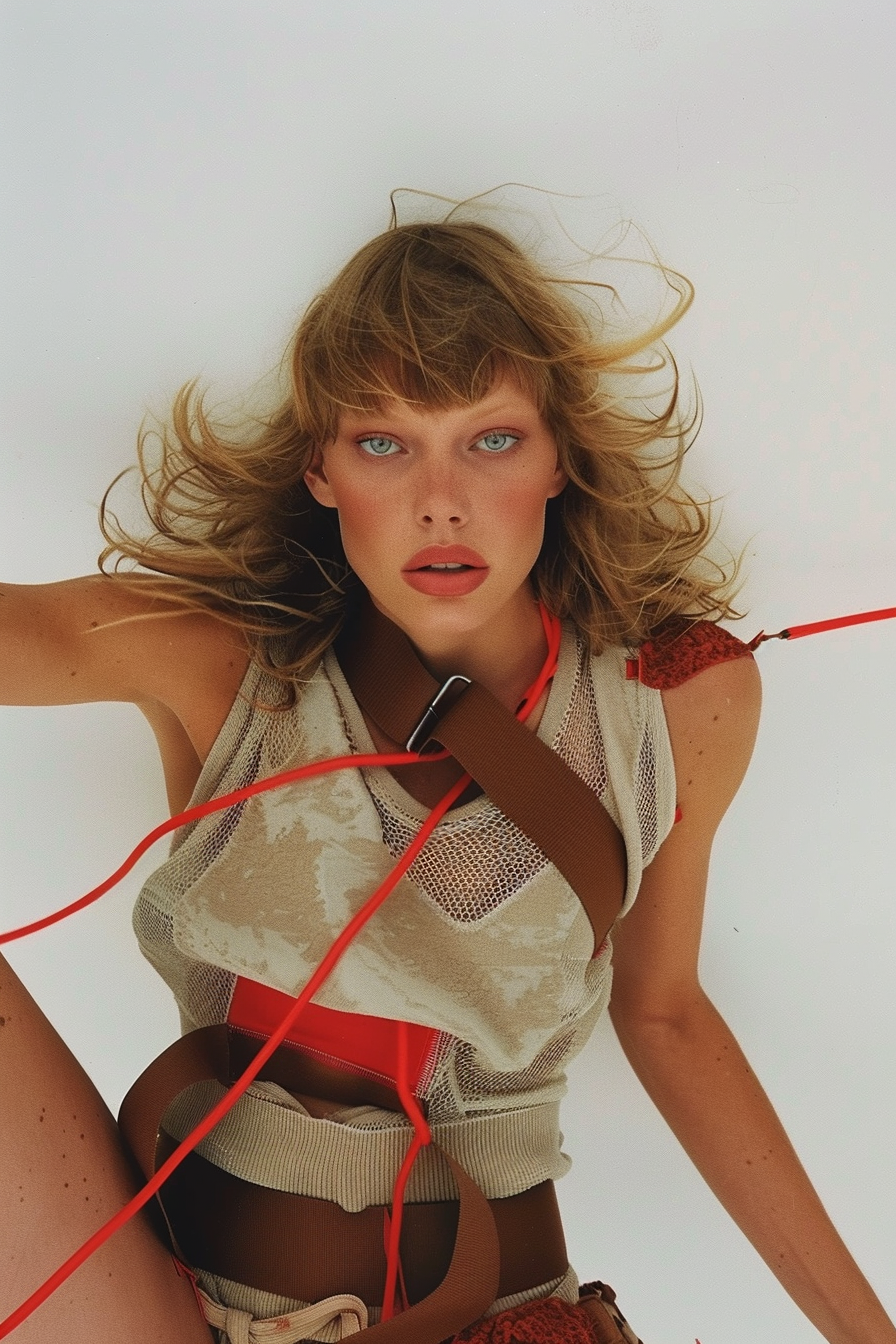
The act of wrapping, binding and suspending introduces tension and rhythm across the body. Ropes trace lines that define space without enclosing it, offering stability without restriction. Through these gestures, the work explores the balance between holding and releasing, between control and freedom.
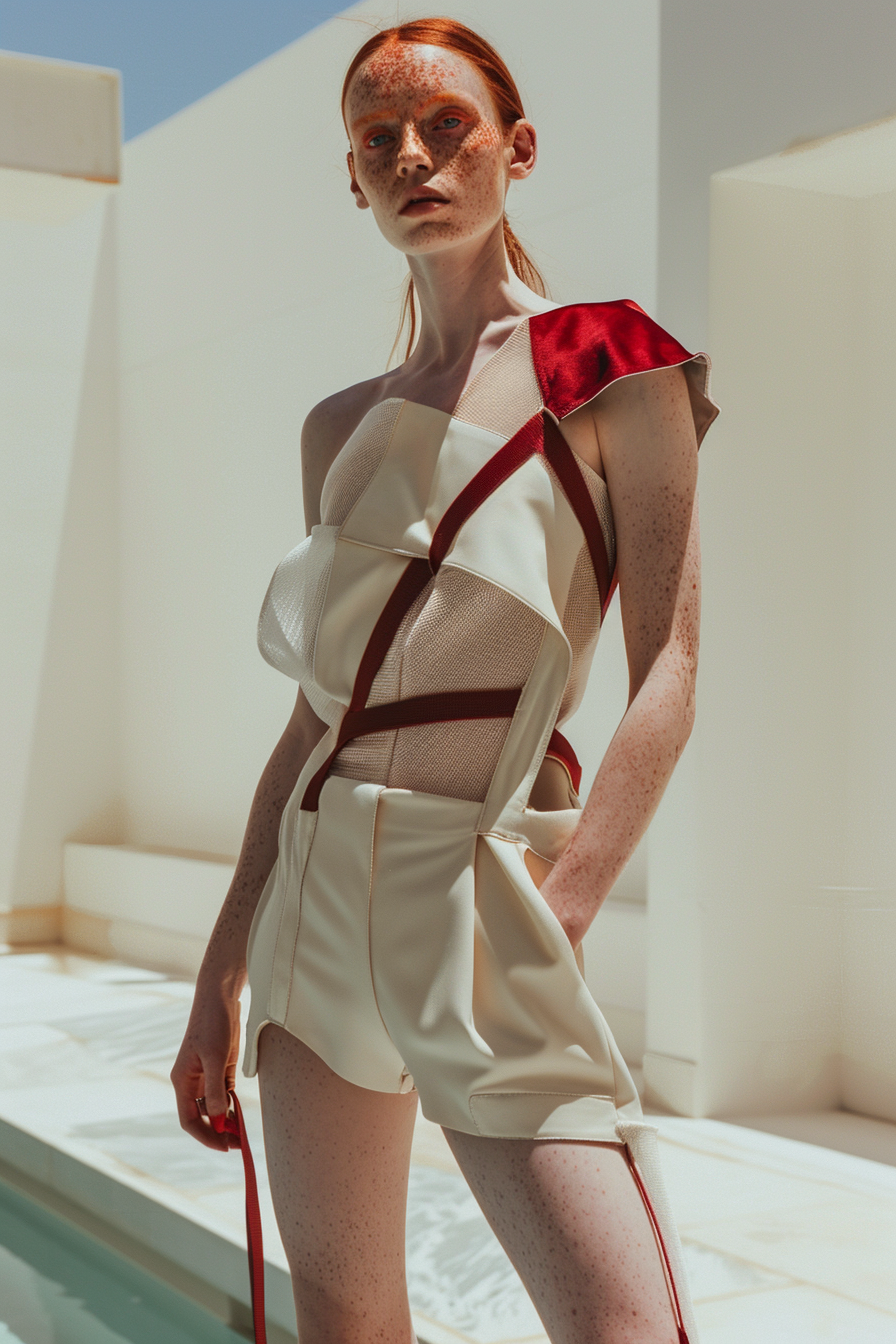
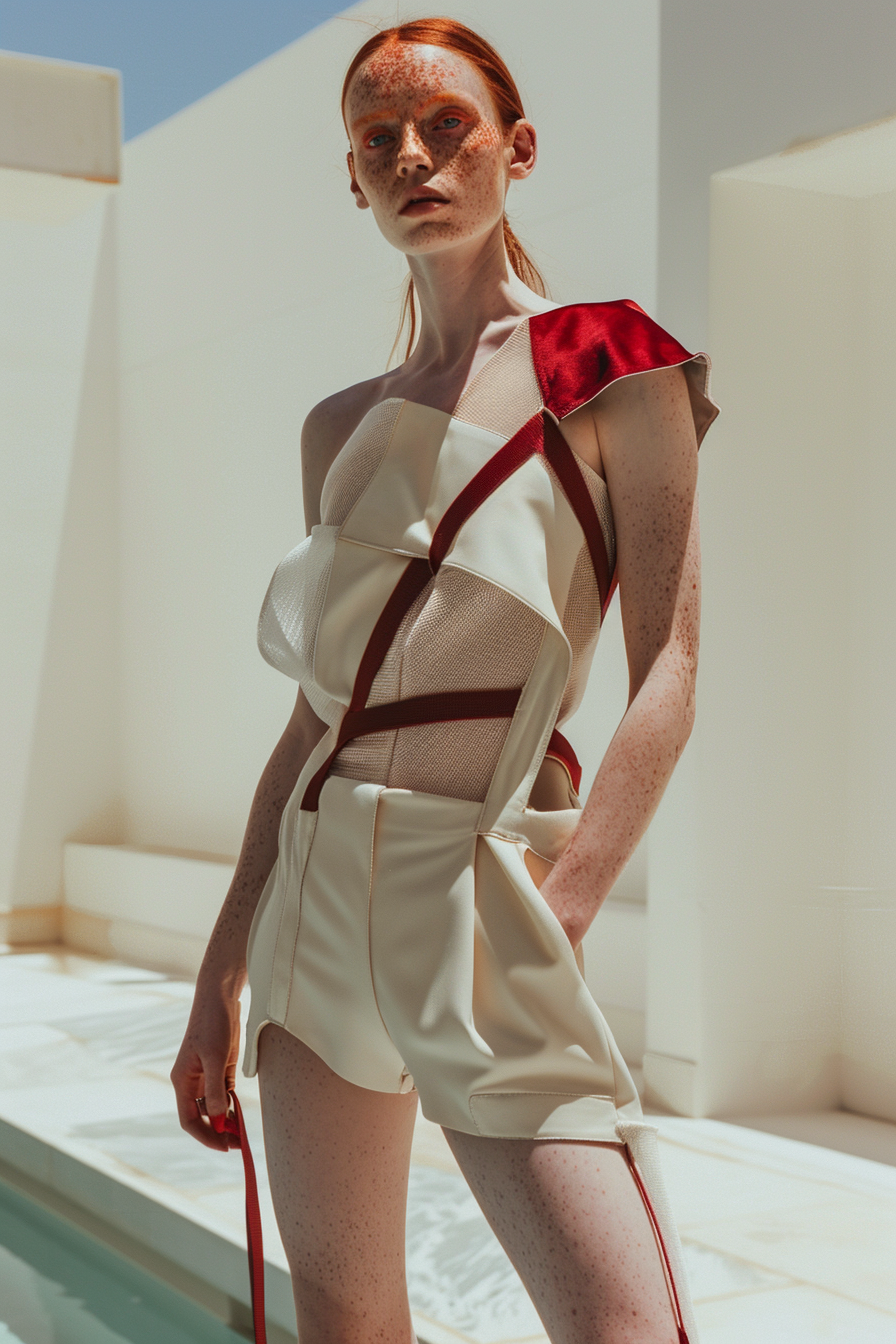
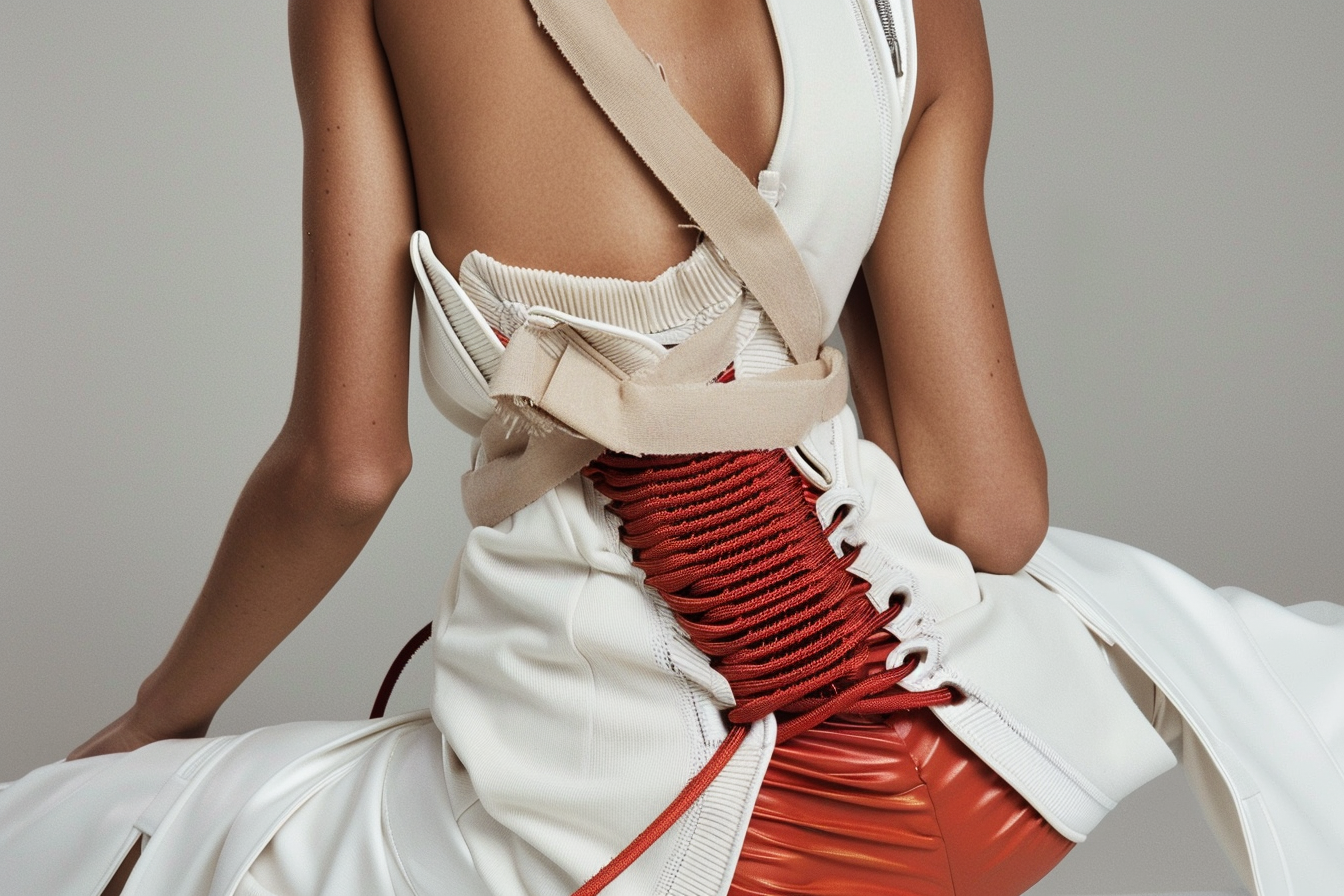
Color reinforces this grounded narrative. Earthy tones form the foundation of the palette; shades of soil, stone and sand that evoke permanence and warmth. These natural hues are punctuated by accents of deep red, introducing intensity and emotional depth. The deep red acts as a pulse, a reminder of inner force, vitality and life beneath layered structures.
Technology enters the practice as an extension of sculptural exploration. Artificial intelligence is integrated as a creative tool not as a final aesthetic, but as a space for investigation and expansion. AI-generated visuals allow forms to be questioned, distorted and reimagined beyond physical limitation.
Within these digital environments, garments dissolve into landscapes. Silhouettes stretch and transform; cords evolve into root-like systems; structures blur between fashion, architecture and organic matter. AI becomes a medium for speculation enabling new spatial relationships, scales and compositions to emerge.
Rather than accelerating creation, technology supports intention. It allows ideas to be tested, refined and released before material execution. In this way, AI contributes to a more conscious process reducing excess while expanding creative possibility. Digital exploration becomes a moment of reflection, where form matures before returning to the hand.
The transition back to the physical world remains essential. Materials are selected for their weight, resistance and movement. Fabrics respond to gravity, shaping the final form through touch and construction. This return to materiality ensures that each garment retains warmth, imperfection and human presence; qualities that cannot be replicated digitally.
Sustainability within Bycatelier is embedded in this rhythm. Pieces are produced in limited quantities, guided by longevity rather than seasonality. The practice resists speed, favoring a slower approach where each garment carries intention and care. Value is found in endurance, both material and emotional.
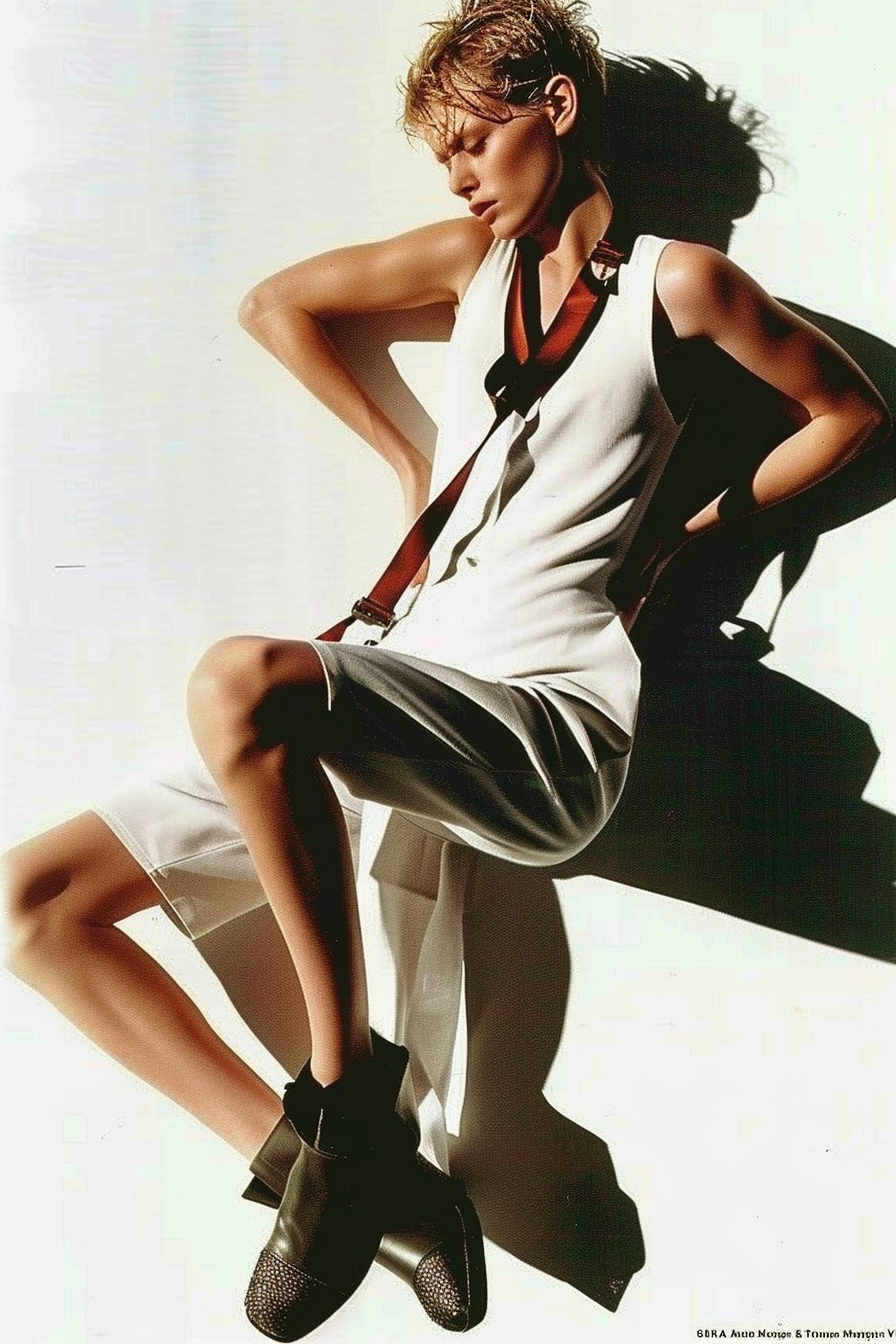
Throughout the collections, garments behave as wearable sculptures. Draping becomes a method of shaping space; folds create shadow and depth; asymmetry introduces movement and tension. Each piece evolves with the body, responding to posture and motion while maintaining structural integrity.
Bycatelier exists where disciplines intersect. Art, architecture, nature and technology converse without hierarchy, shaping a fluid and evolving creative language. Technology does not replace craftsmanship, nor does structure overpower emotion. Instead, each element supports the other, allowing form to emerge organically.
At its core, the practice remains deeply human. Despite the use of digital tools and emerging technologies, the work is driven by presence and emotion. Garments are designed to be sensed as much as seen, to evoke grounding, awareness and connection. Clothing becomes an intimate sculpture, shaped by earth, guided by technology and animated by human experience.
Through this sculptural and technological dialogue, Bycatelier proposes a vision of fashion as a living structure; rooted, experimental and continuously evolving in relation to the body and the world it inhabits.
Author: Carla Castro-Rial