How AI Tools Can Support Creative Workflows in Fashion
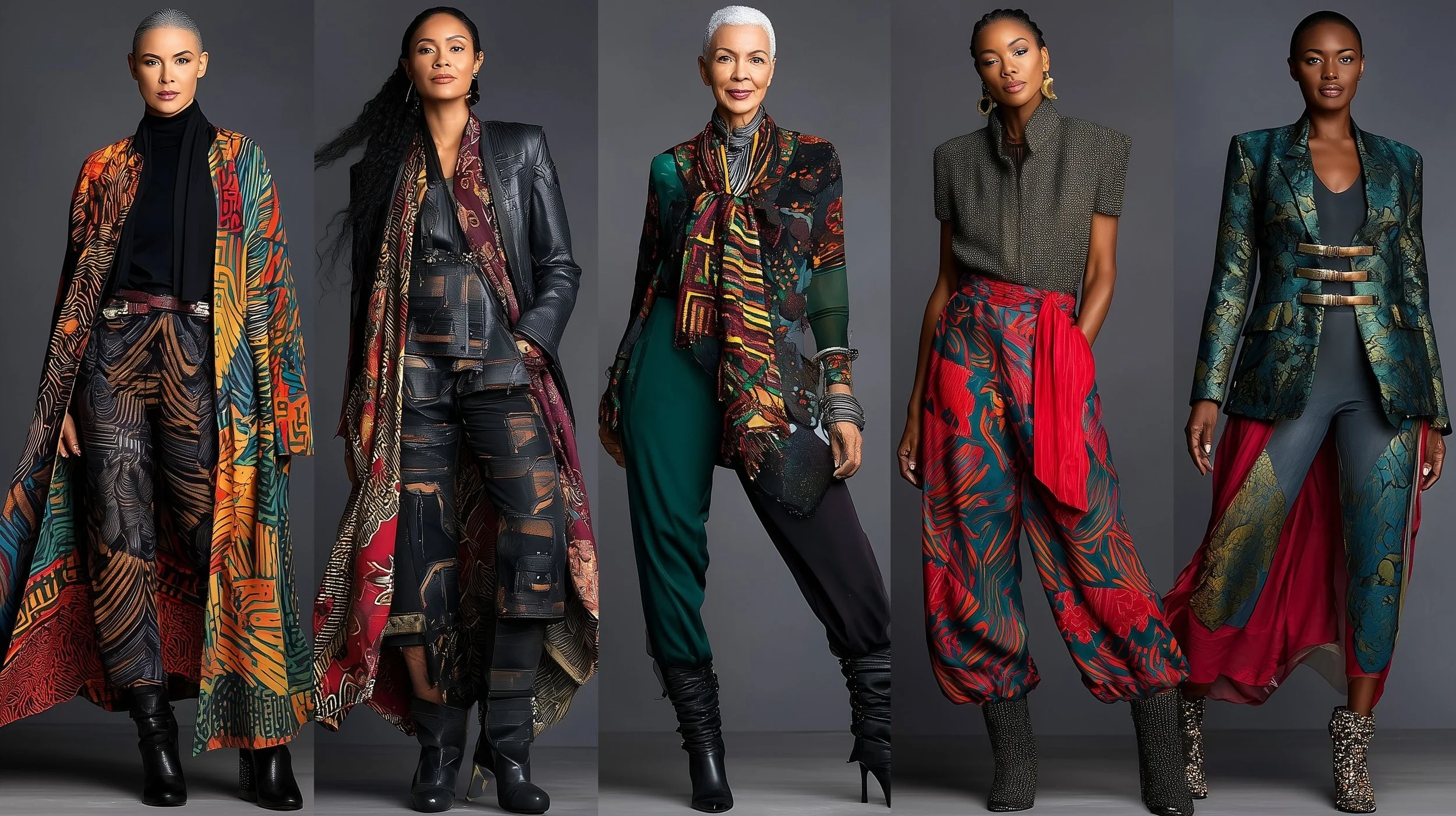
Fashion designers are always under the gun to deliver fresh ideas faster, without letting quality or originality slip. AI tools are shaking up creative workflows, automating the boring stuff, kicking out design ideas, and making it easier for teams to work together. Modern AI powered platforms help fashion teams work 10 times faster, cut down on physical sampling, and development timelines way down.
The move from old school design to AI driven workflows touches every corner of the industry. Designers lean on artificial intelligence to play with new concepts, spot trends before they hit, and see products in 3D before anyone sews a stitch. Teams work together in shared digital spaces, letting AI handle the grunt work: data wrangling, version tracking, all that.
Fashion brands are finding that AI doesn't squash human creativity; it actually gives it more room to breathe. Designers get to spend their energy on the big picture stuff, while tech takes care of updating specs and cranking out mockups. The upshot? Faster launches, less waste, and a much tighter link between the creative spark and what customers actually want.
Transforming Fashion Design With AI Tools
AI is revolutionizing fashion design workflows by sliding right into creative processes, speeding up everything from the first sketch to the final design, and dropping data driven hints about what's about to be hot on the runway. With these tools, designers can focus on the imaginative bits, while AI does the technical heavy lifting and crunches the market numbers.
Integrating AI Into the Creative Process
These days, fashion AI is more like a creative sidekick than a rival. AI tools automate technical tasks, think pattern making or sizing calculations, freeing up designers for actual storytelling and new ideas.
Key integration points include:
Sketch enhancement: AI turns rough sketches into sharp technical drawings
Pattern automation: Automated pattern making slashes manual drafting time
Color palette generation: AI suggests on trend color combos
The industry's getting a real boost from cloud based AI platforms. Teams can bounce AI generated concepts around in real time and get feedback from folks scattered all over the map.
AI helps designers whip up unique concepts from sketches or trend data. It's a team effort: humans dream up the vision, AI handles the details and speed.
Accelerating Idea Generation and Concept Development
Powerful AI tools help designers riff on ideas, from silhouettes to colorways, at a pace that would've seemed impossible a few years ago. One input, and AI can crank out a whole batch of design variations, opening up a ton of creative options.
Speed improvements include:
Rapid prototyping: Dozens of design versions in minutes
Instant visualization: See how styles look on all kinds of body types, right away
Quick iteration cycles: Test and tweak without cutting a single fabric swatch
Generative AI makes ideation and prototyping a breeze. Tools like The New Black and Ablo help move from rough ideas to market ready products without getting bogged down.
The tech is especially handy for mood boards and exploring vibes. Designers toss in their style preferences, and AI spits out visual references that actually help guide the creative journey.
AI Driven Trend Forecasting and Data Driven Insights
AI algorithms dig through market trends and consumer data to help designers create pieces that really click with their audience. These insights take a lot of the guesswork out of planning new collections.
Trend analysis capabilities:
Social media monitoring: Watching what's popping on Instagram, TikTok, Pinterest
Runway analysis: Spotting patterns from fashion weeks worldwide
Consumer behavior patterns: Predicting which looks are about to take off
Fashion AI sharpens trend forecasts and speeds up design cycles. Machine learning sifts through mountains of data, catching patterns that humans might totally miss.
Tools like Designovel and TrendGenius deliver real time analytics, helping designers stay ahead of what shoppers want. This lets brands react fast and keeps them from overproducing stuff no one's buying.
Enhancing Studio Collaboration and Workflow Efficiency
Fashion studios are reworking their processes with AI powered tools that simplify teamwork and automate all sorts of tedious tasks. That way, designers can zero in on their creative vision, while production bottlenecks and headaches shrink.
Facilitating Real Time Collaboration Among Designers
AI platforms make it possible for fashion teams to work together smoothly, even if they're on opposite sides of the globe. AI powered creative tools break down old barriers by building shared digital workspaces where designers can bounce ideas and edits back and forth instantly.
Cloud based design platforms let multiple people tweak patterns, colors, and silhouettes at the same time. Built in version control means everyone's on the same page, no more messy overlaps.
Key collaboration features include:
Real time team editing
Instant feedback and annotation
Automatic file syncing
Dashboards to track progress
Smart notifications nudge the right people when a design needs feedback or approval, so projects don't get stuck waiting for a reply. AI assistants can even translate design ideas into whatever format each team member prefers, making sure everyone's on the same page, even if they work differently.
Automating Routine Design and Production Tasks
Fashion studios burn a lot of hours on repetitive tasks that AI can handle without breaking a sweat. Automation gives designers more time for real creativity by taking over the technical chores.
Pattern grading software spins out all the sizes from a base design, no more manual tweaking. Color matching algorithms keep hues consistent, even across different fabrics and factories.
Common automated tasks:
Task Type AI Solution Time Saved
Pattern grading Auto sizing algorithms 4 to 6 hours per style
Color matching Digital color systems 2 to 3 hours per palette
Tech pack creation Template generators 3 to 4 hours per garment
Fabric calculations Yield optimization tools 1 to 2 hours per order
Inventory management systems can now predict fabric needs using past data and what's coming up next, which means less overordering and less waste.
AI Enabled Customer Engagement and Retail Transformation
Digital workers are shaking up retail by automating tasks and making smart decisions 24/7. AI powered customer engagement delivers personalized shopping, letting retailers build better relationships through data driven insights.
Personalized Recommendations and Shopping Experiences
AI algorithms sift through customer data to serve up product picks that actually fit people's tastes and habits. They track browsing, shopping history, and even demographics to guess what you'll want to buy next.
AI personalizes the entire retail journey in real time, which keeps shoppers engaged and boosts sales. It's all about reading the signals and delivering spot on recommendations at every step.
Key personalization features include:
Dynamic pricing for different customer groups
Tailored email campaigns
Product recommendations on websites
Personalized mobile app content
Retailers are seeing real jumps in conversion rates with AI driven recommendations. Customers get options that actually make sense for them, so they don't get overwhelmed or bored while shopping.
Virtual Try On and Digital Fashion Experiences
Virtual try on uses augmented reality and computer vision so shoppers can see how clothes and accessories look, no changing room required. That's huge for online shopping, where you can't try before you buy.
Popular virtual try on applications include:
Sunglasses and eyewear fitting
Makeup and cosmetics testing
Clothing size and fit previews
Jewelry styling
These digital tools help cut return rates, since buyers know what they're getting. People feel more confident clicking "buy" when they can actually picture the product on themselves.
Brands are building virtual try on right into their apps and sites. The tech maps your face or body to layer products realistically, sometimes it's almost eerie how good it looks.
Leveraging AI Insights in Retail Strategies
AI driven systems crunch the numbers to make experiences smoother for customers and more profitable for retailers. These insights help with everything from inventory calls to smarter pricing and supply chain tweaks.
Retailers use AI to spot hot styles, predict seasonal swings, and adjust marketing on the fly. The tech chews through mountains of customer data to surface trends and preferences.
Strategic AI applications include:
Demand forecasting for inventory
Customer lifetime value predictions
Market trend analysis
Automated customer service
AI agents are changing the game in retail, from pricing to planning. They're giving managers a whole new set of tools to stay ahead. More and more, fashion retailers are weaving AI insights into their decision making to keep up with fast moving markets.
Building the AI Fashion Ecosystem
Fashion's AI transformation is being driven by technology partners who make these tools accessible and practical for designers. Platforms like Caimera are leading this charge by enhancing visual content creation with AI powered solutions for fashion imagery, helping brands generate diverse, on brand visuals that resonate with global audiences while maintaining local relevance. These kinds of partnerships demonstrate how AI can amplify human creativity rather than replace it, making cutting edge tools available to creators at every level.
Driving Sustainability and Innovation in Fashion With AI
AI is making a dent in fashion's environmental footprint, thanks to smart production systems that can slash waste by up to 40% and help brands make more sustainable, data backed choices. It's also changing the way fashion companies share their sustainability stories with customers.
Minimizing Waste With Smarter Production
Fashion brands toss out millions of tons of materials every year thanks to overproduction and outdated sampling. AI powered solutions are cutting textile waste by ditching the need for physical samples during design. That alone feels like a big step forward.
Tech pack converters let designers whip up photorealistic garment images straight from technical drawings, so they don't have to waste time and money on samples that just end up in the trash. Traditional sampling wastes about 15% of textiles during cutting, kind of shocking, right? AI visualization tools let brands see the full design before anything gets made for real.
Key waste reduction benefits:
Zero physical sampling required
Reduced shipping and logistics waste
Eliminated unsold sample inventory
Faster design iterations without material costs
Fashion AI is leading the zero waste movement by optimizing fabric cutting patterns and predicting how much to make in the first place. Machine learning digs into old sales data to help brands avoid making way too much. Smart production planning can actually chip away at the industry's wild 97 million tons of annual waste. AI systems crunch numbers to figure out exactly how much material is needed and keep manufacturing schedules on track.
Supporting Sustainable Design Decisions
AI gives designers a real shot at making better environmental choices by analyzing data about materials, processes, and what customers actually want. These systems can even break down the environmental impact of different design ideas before anything goes into production.
Material optimization algorithms look at fabric options based on:
Carbon footprint per yard
Water usage in production
Recyclability ratings
Durability scores
Artificial intelligence enables sustainable fashion innovation by delivering real time sustainability metrics right as designers are working. That kind of instant feedback can be a game changer.
Predictive analytics help spot which sustainable materials will actually work for different garment types, so brands don't get burned by eco friendly products that flop in the market.
AI driven design tools include:
Eco friendly material recommendations
Energy efficient production pathway suggestions
Recyclability scoring systems
Supply chain transparency tracking
Generative AI reshapes sustainable fashion design by automatically creating lots of eco friendly design options. Designers can try out sustainable ideas without getting bogged down in endless manual tweaks.
Storytelling and Consumer Centric Innovation
Today's shoppers want to know the real impact of their clothes. There's a growing demand for brands to be upfront about sustainability, and AI steps in here. It lets companies share their eco efforts through personalized stories that actually connect with people who care about the planet.
Virtual try on technology is changing the game. It's not just fun; it can cut return rates by up to 30%. That means less shipping waste and fewer boxes tossed out. When people can see what they're buying, they tend to make smarter choices.
AI can whip up sustainability focused marketing content on the fly, helping brands keep their messaging consistent about what they're doing for the environment, no matter where you see it.
Consumer engagement innovations:
Personalized sustainability scorecards for purchases
AI generated eco impact visualizations
Custom sustainable product recommendations
Real time supply chain transparency updates
AI Try On solutions enhance consumer experiences and push sustainability forward. Instead of buying a pile of clothes just to try at home, customers can share digital try ons with friends on social media. It's a different kind of shopping spree.
Smart recommendation engines are getting pretty good at learning what you like, especially when it comes to eco friendly picks. These systems nudge shoppers toward greener options that still fit their vibe. Brands also dig into AI analytics to figure out which sustainability messages actually change what people buy, tweaking their storytelling to make a real impact. It's not a perfect science, but it feels like a step in the right direction.